Hypertension
 
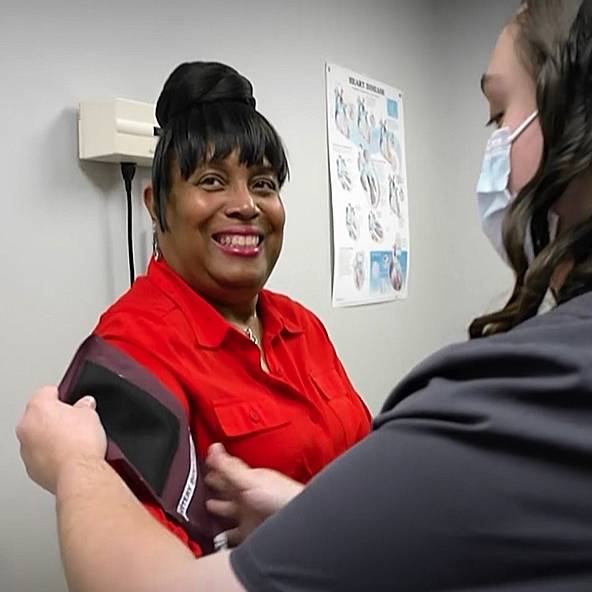
Hypertension, or high blood pressure, is one of the leading causes of stroke, heart attack, and kidney failure in West Virginia.   It is one of the tope medical conditions patients chronically see their primary care provider for in our state and is one of the most silent medical killers.   Most people do not know their blood pressure is elevated because they “feel fine”.   However, when was the last time their blood pressure was checked?   People commonly do not check their own blood pressure if they have not been diagnosed with hypertension.   Not to mention most West Virginians do not see their health care provider regularly, to have well check-ups which include blood pressure screenings.   More often than not, people go to their health care provider for illnesses and discover their blood pressure is elevated.   This takes most people by surprise because they have never had elevated blood pressure, however, they have not been checking it regularly to truly know.   Therefore, initially, most people are in denial that they may have hypertension.
 
Risk factors for hypertension include obesity, sedentary lifestyle, diabetes, kidney disease, and family history of hypertension.   Most West Virginians have at least one or two of these risks, and therefore, should have their blood pressure screened annually.


In order to be diagnosed with hypertension, individuals must have consistent blood pressure readings of greater than 140 mmHg systolic, which is the top number, over 85 mmHg diastolic, which is the bottom number.   The blood pressure goal for diabetic patients is less than 135/85.


Some individuals are started on blood pressure medications for the first time they have an elevated blood pressure reading if their blood pressure I high enough and they have other risk factors such as diabetes, kidney disease, or heart disease.   This decision is up to you and your healthcare provider.   However, it is common for healthcare providers to bring you back into their office for rechecks of your blood pressure before you are diagnosed with hypertension.


Once you are diagnosed with hypertension, you will be started on blood pressure medication.   There are many different types of blood pressure medication, you can discuss which would be right for you with your healthcare provider.   The average number of blood pressure medications that patients in West Virginia are on to adequately control their blood pressure is between two and three different medications.


Some patients choose not to take their blood pressure medications regularly for many different reasons.   They do not think they need it, they feel fine without it, they can not afford it or they have a hard time remembering it.   It is extremely important if you have any of these problems that you discuss them with your healthcare provider so they can help you because the risk of cardiovascular disease such as heart attack and stroke doubles for each increment of 20/10 mmHg over 115/75 mmHg.   So even if your blood pressure is 135/85 your cardiovascular disease risk is doubled.   If your blood pressure is 155/95 your risk is four times as great.   If your blood pressure is as high as 175/105 your risk is eight times as great for a cardiovascular event.


Hypertension is an extremely common health problem in West Virginia and contributes to numerous other health conditions.   It is important that you have your blood pressure screened annually.   If you are diagnosed with hypertension, play an active role with your healthcare provider to ensure you are properly treated and your blood pressure is well-controlled to reduce your cardiovascular risks.   If you have any further questions, contact your healthcare provider.  Additional information is also available at www.webmd.com by keying in the word "hypertension".


Visitors:  3343